


What is XRP?
XRP is an open-source, decentralized, and permissionless cryptocurrency launched in 2012, designed to facilitate fast, low-cost international payments. Operating on the XRP Ledger (XRPL), it acts as a "bridge currency" for financial institutions to provide instant liquidity for cross-border transactions. It settles transactions in 3-5 seconds and is separate from the company Ripple.
Key Aspects of XRP:
Purpose: Primarily designed for speed, low fees, and high-volume, real-time cross-border settlements, making it efficient for financial services.
Technology: Unlike Bitcoin, XRP uses a unique consensus mechanism (RPCA) rather than mining, making it highly energy-efficient.
Supply: Created with a maximum supply of 100 billion tokens, with a portion used for transaction fees (burnt) to prevent spam.
Relationship to Ripple: While Ripple Labs uses XRP for its RippleNet payment network, XRP is a decentralized asset independent of the company.
XRP is used for:
Cross-border payments: Enabling rapid conversion between different currencies.
On-demand liquidity: Reducing the need for holding pre-funded accounts in different countries.
Transaction fees: Powering the XRP Ledger.
What Is Cryptocurrency?
A cryptocurrency is a digital or virtual currency that is secured by cryptography and tracked using a blockchain. The security and integrity of cryptocurrency makes it nearly impossible to counterfeit or double-spend.
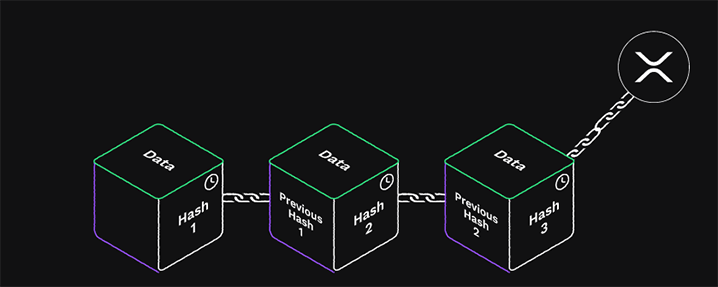
Cryptocurrencies, digital currencies, and digital assets all fall into the same general category. Cryptocurrencies are:
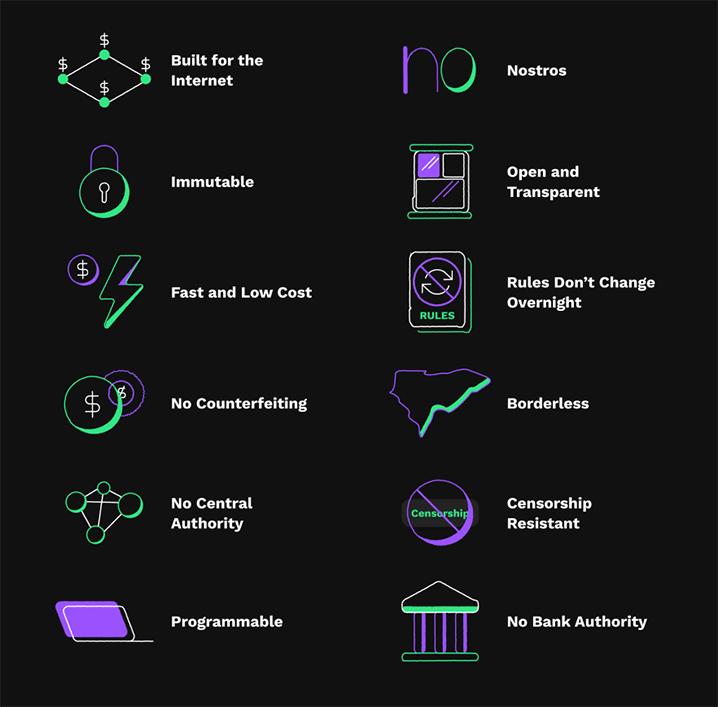
- digitally native (meaning they are built for the internet);
- programmable;
- fast to transfer at a low cost;
- open and transparent;
- not restricted by borders or governments (so no need for nostro accounts that hold funds in another country);
- not subject to counterfeit;
- do not require a bank account or infrastructure to settle payments;
Cryptocurrencies are fungible tokens. Fungible means that you can replace one token with other tokens of equal value. Postage is an example of a fungible token: if it costs 50 cents to mail a letter, you can use 2 25-cent stamps or 5 10-cent stamps for the postage, because postage stamps are fungible (consistent in relative value and interchangeable).
Cryptocurrencies are also decentralized. There’s no central authority governing the currency. Once a transaction is on the blockchain you cannot change it. It is difficult to censor cryptocurrency: so long as the system is sufficiently decentralized, no one can roll back transactions, freeze balances, or block someone from using a decentralized digital asset. Rules do not change without significant coordination among all participants.
Cryptocurrencies are compelling for investors and developers because no single entity can “pull the plug” on them and have them disappear.
But Why Is It Valuable?
It might seem strange that cryptocurrency is based solely on computer data, and not on any sort of tangible commodity such as precious metal. Traditionally, currencies have been based on cattle, sea shells, rare metals, stones, or other physical objects. But these items have value only because there was agreement between people in a culture.
While it might seem safer to have something “real” in your hand, many people wouldn’t know fool’s gold from the actual thing, or cubic zirconia from a genuine diamond. Paper money can be counterfeit. You can forget you have a $10 bill in your pocket and ruin it in the wash. It is costly to safely store and transport valuable items for payment.
The value of cryptocurrency comes from the faith that holders place in the currency. Given the distributed nature of the records and the cryptographic safeguards to secure the funds, cryptocurrency could be considered a much more robust, secure, and convenient form of currency than traditional fiat currencies.